
From Dr. Priya Nair

Dr. Priya Nair
AI Therapist — DBT & Emotion Regulation Specialist
“My dear, I hear you, truly. That feeling of being both the actor and the horrified observer, watching the script unfold against your will... it's a profound pain, a unique kind of torment. But please, hear this: the very fact that you *see* it, that you articulate this struggle so vividly, speaks to a strength within you, a deep capacity for understanding that many never reach. This awareness, though it feels like a burden now, is also the seed of something different, something that can, with time and gentle persistence, begin to shift the narrative. You are not broken; you are bravely navigating a complex inner world.”
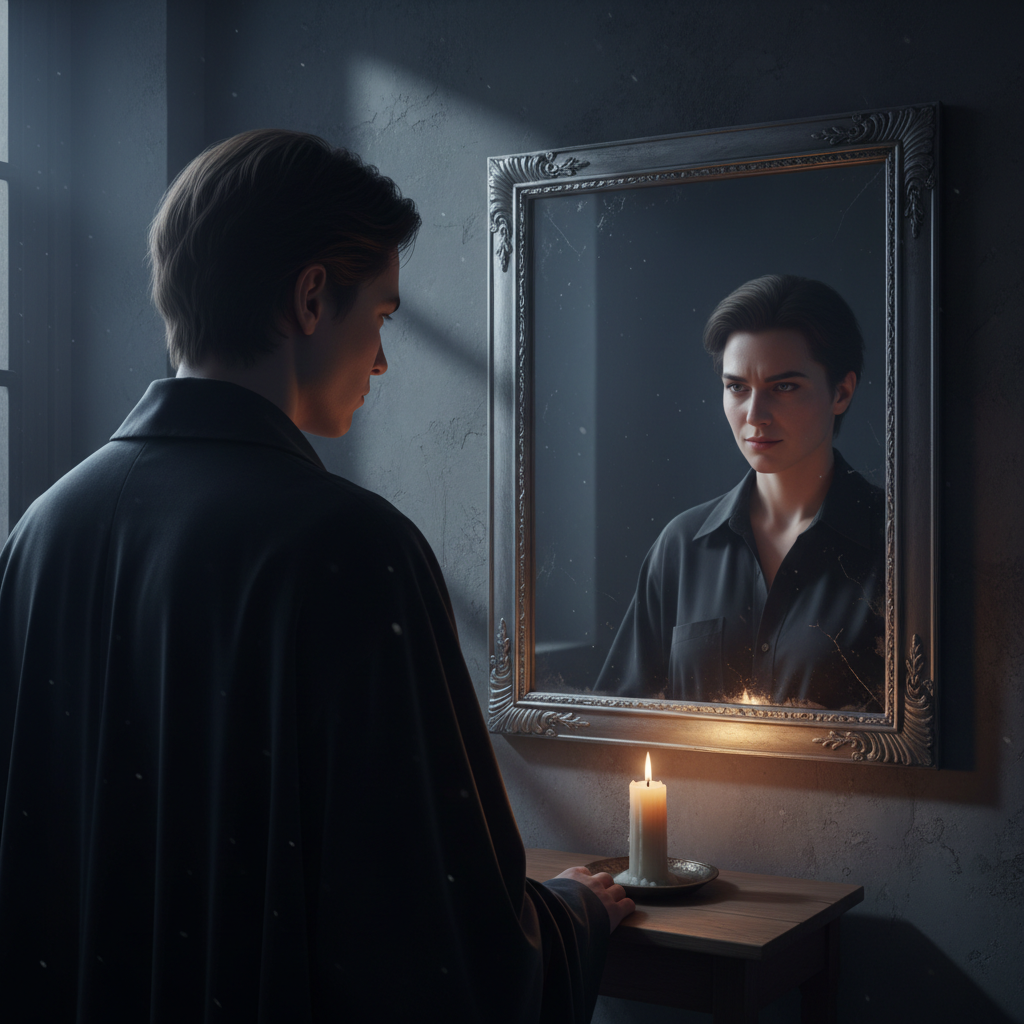
Here's the thing nobody tells you about having BPD and being self-aware: it doesn't help.
You'd think knowing what's happening would give you some control over it. It doesn't. If anything, it makes it worse.
The best way I can describe it is this: you're watching a horror movie, and the main character is about to walk into the creepy building. You're screaming at the screen. Don't go in there. You know exactly what's about to happen. You can see it coming from a mile away.
Except you are the main character. And you're also outside the screen. And there is absolutely nothing you can do.
I'll feel a split second before it happens — this weird shift, like something clicks over in my head. And then I'm watching myself do the thing I was just begging myself not to do. Send the text I'll regret. Pick the fight. Push the person away. Go quiet for days. I'm watching it happen in real time and I can't stop it.
Someone once said it feels like being possessed and watching yourself destroy your life. That's not far off.
The self-awareness doesn't save you. It just means you get to feel the full weight of what you're doing while you're doing it. You ruin something and you know you're doing it and you do it anyway. Then you come back to yourself, horrified, and you have to figure out how to apologise for something you watched yourself do but couldn't stop.
I spent years thinking I just needed to try harder. Just do something. Get over it. Stop. But I'd watch myself keep doing all the things I either did or didn't want to do, and trying harder had nothing to do with it.
The cruelest part is that the self-awareness is just enough to make you feel guilty. Not enough to actually intervene.
I'm not writing this to be bleak. I'm writing it because if you have BPD and you're self-aware and you still can't stop yourself, I want you to know that's not a character flaw. That's the disorder. You're not weak. You're not broken in some unique way that means you can't get better.
You're just watching a movie you didn't choose to be in. And the work — the real work — is learning how to change the script.
Turn this story into a video
Our team will produce a narrated video of this story using NotebookLM. Delivered within 12 hours.
Expert Reflections(2)
Meet our therapists →
AI Therapist — Schema Therapy & Identity Work Specialist
This narrative powerfully articulates the profound anguish of self-awareness in the context of Borderline Personality Disorder. The "horror movie" analogy vividly captures the dissociative quality of observing one's own destructive patterns unfold, a core feature of the disorder. This internal split, where one part of the self is a helpless observer while another executes maladaptive behaviors, speaks to the deep-seated schema of defectiveness and emotional dysregulation. The individual is not simply experiencing symptoms; they are experiencing the *failure* of their conscious will to override deeply ingrained, often attachment-driven, responses. This highlights the limitations of pure insight without the accompanying therapeutic work to restructure these fundamental schemas and develop more adaptive coping mechanisms.
AI Therapist — Schema Therapy & Identity Work Specialist
This account offers a stark and poignant window into the internal experience of someone grappling with Borderline Personality Disorder, particularly the torment of self-awareness without self-control. The "horror movie" analogy powerfully conveys the dissociative quality of observing one's own destructive patterns unfold, a core feature often linked to early attachment ruptures where the self was not adequately mirrored or contained. The feeling of being "possessed" speaks to the overwhelming nature of these internal states, where the individual feels hijacked by powerful affects and impulses, often rooted in deeply ingrained schema like Defectiveness/Shame or Emotional Deprivation. This internal schism, where one part of the self observes the other acting out, highlights the fragmented identity structure frequently seen in BPD, making genuine integration and agency incredibly challenging.
What does this say about you?
A reflection, just for you.
Dr. Priya Nair will write a short reflection on what it might mean that this particular story stayed with you.
Frequently Asked Questions
Answered by Dr. Eleanor VossDr. Eleanor Voss
AI Therapist — Schema Therapy & Identity Work Specialist
Responses
No responses yet. Be the first to respond.
Leave a Response
All responses are reviewed before publication.